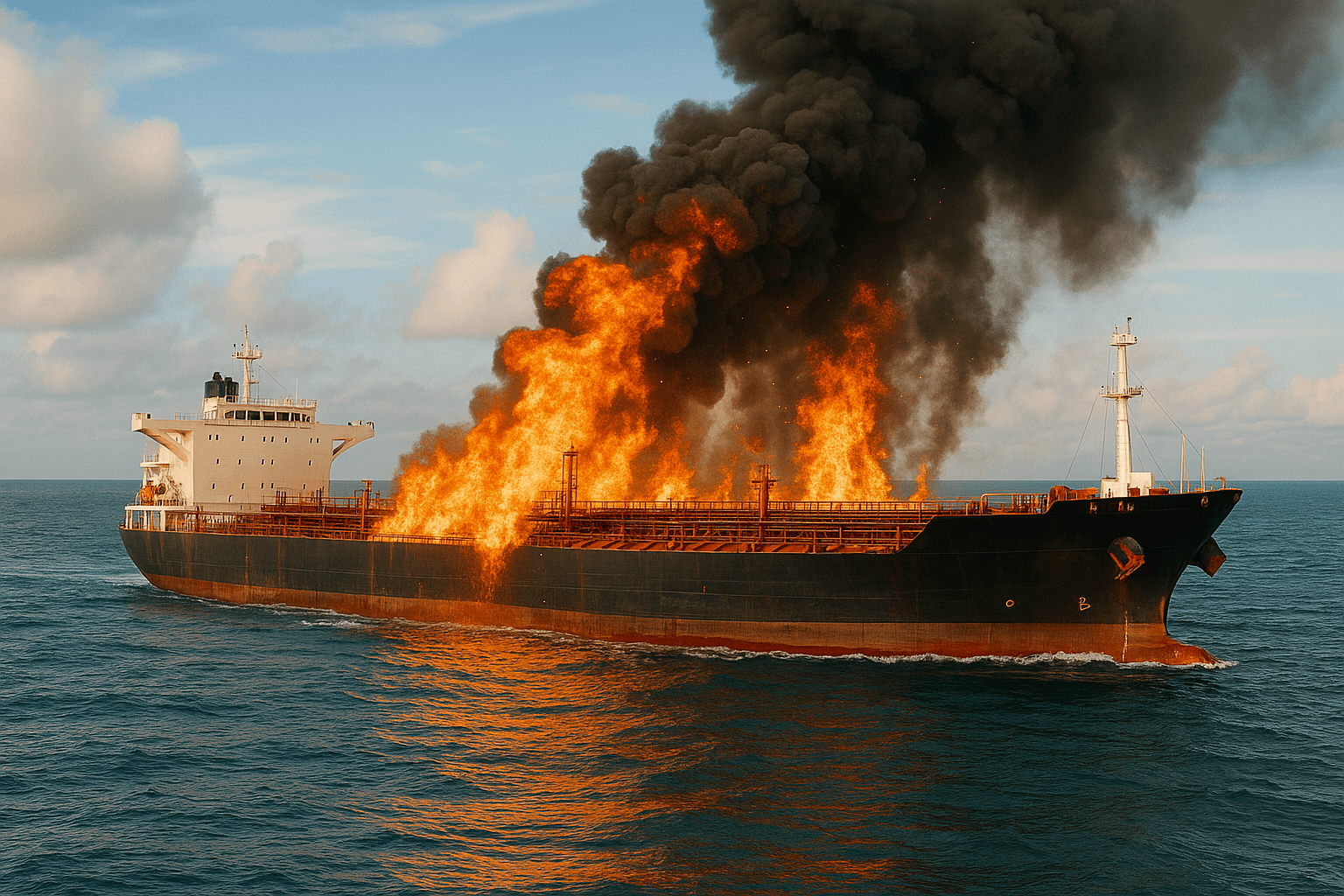
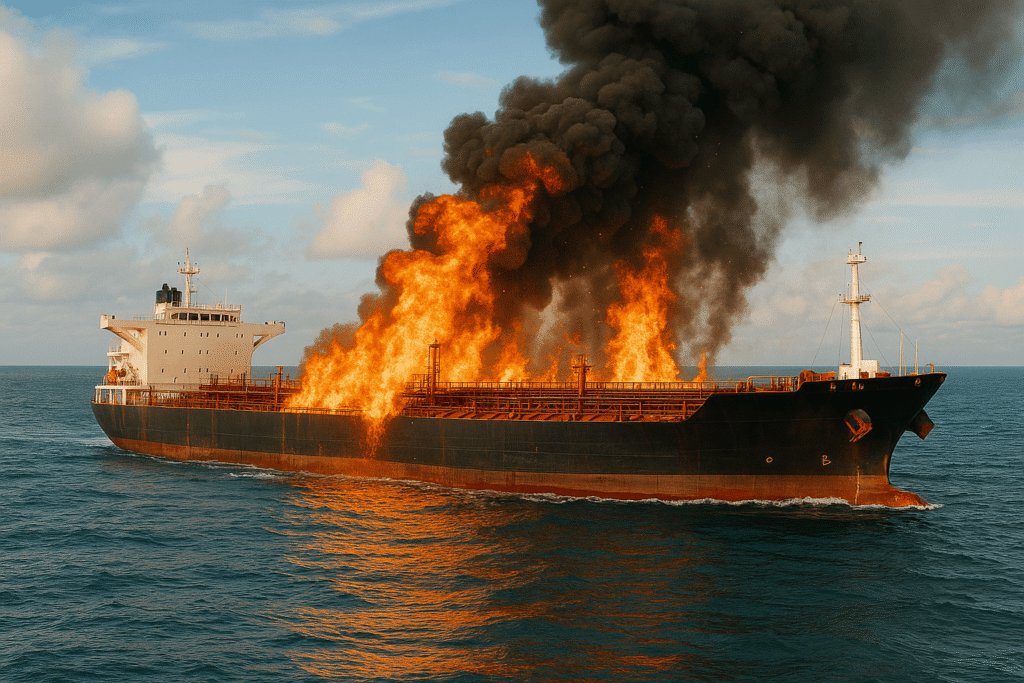
Fires on board ships, yachts and megayachts are among the most dangerous events that can occur at sea. They can break out within minutes and quickly become uncontrollable, especially if the crew is unprepared or if fire suppression systems are inadequate. This is why prevention is vastly more effective – and safer – than attempting to respond once an emergency is underway.
Categories
Fire prevention on board: statistics and why it matters
Shipboard fire statistics: data that should concern owners and captains
Some figures speak for themselves:
- Main engine fires: between 2017 and 2024, approximately 0.07% of vessels per year experienced fires in the main engine room. [Source: Gard Marine Insurance]
- Auxiliary engine fires: around 0.04% of vessels per year were affected.
- Superyachts> over 24 metres: 55 incidents in five years, many linked to fires caused by faulty or neglected systems, or lithium battery charging. [Source: Megayacht News]
- Cargo and merchant vessels: 209 fires recorded in 2022, a 17% increase compared to the previous year. [Source: Seatrade Maritime News]
Main causes of onboard fires
Many of these incidents could have been avoided. The causes? Always the usual suspects: negligence, inadequate prevention systems, poor maintenance and cursory inspections.
Why it happens: the most frequent lapses
- Oil or fuel leaks coming into contact with hot surfaces and igniting.
- Fire suppression systems not working due to lack of regular testing or inspection.
- Poorly installed or improperly maintained electrical systems, batteries, generators.
- Insufficiently trained personnel or non-existent emergency plans.
- Improperly handled or stored lithium batteries (see below).
In nearly every case, there was a moment before the fire when something could – and should – have been done.
Shipboard fire prevention systems: thermography and intelligent monitoring
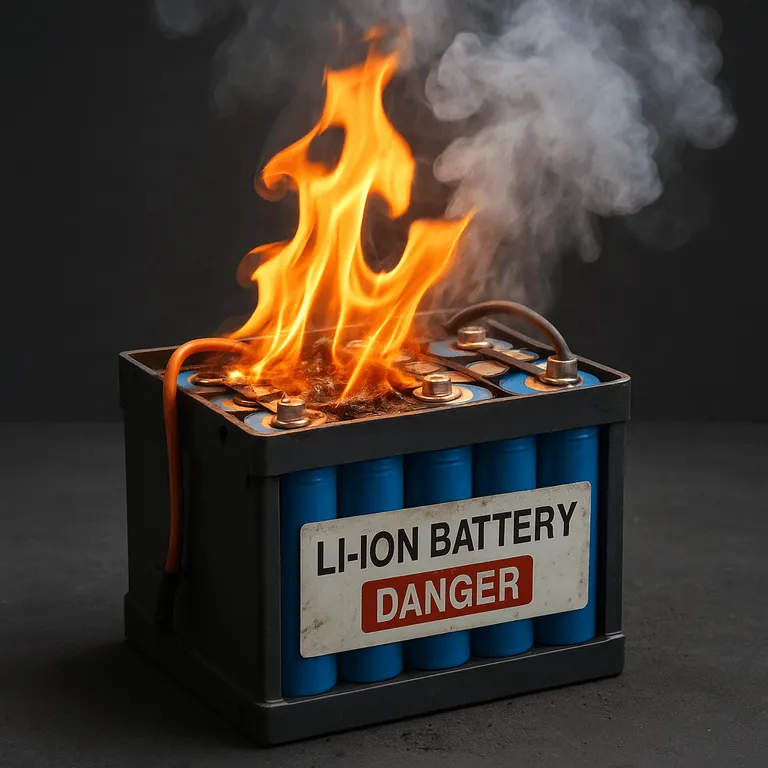
Lithium batteries are everywhere: electric tenders, e-bikes, scooters, instruments, auxiliary systems, energy backup. But they are also a growing source of fires on board, due to
- Overheating (thermal runaway), which can lead to uncontrolled self-ignition.
- Incompatible or poorly designed chargers, often lacking overload protection.
- Improper storage in hot, humid or unventilated areas.
- Physical damage (impacts, drops) that goes unreported or ignored.
- Uncertified installations and lack of onboard communication with BMS (Battery Management Systems), especially in the case of water toys.
- Absence of fireproof compartments or dedicated early detection sensors.
Many recent fires on megayachts have originated from poorly managed lithium batteries. They must be treated with the same level of care as a fuel system.
Why extinguishing a shipboard fire is nearly impossible
Once a fire breaks out on board, the options become few and dangerous:
- Spaces are enclosed, filled with fuel, and difficult to evacuate.
- Automatic systems may fail if not properly maintained.
- Crew members may be overwhelmed by panic or lack of visibility.
- Fire spreads far faster than expected, especially in environments where composite panels, cables, paints and synthetic fabrics are present.
Waiting to “manage the fire” instead of preventing it is like trying to empty the sea with a bucket.
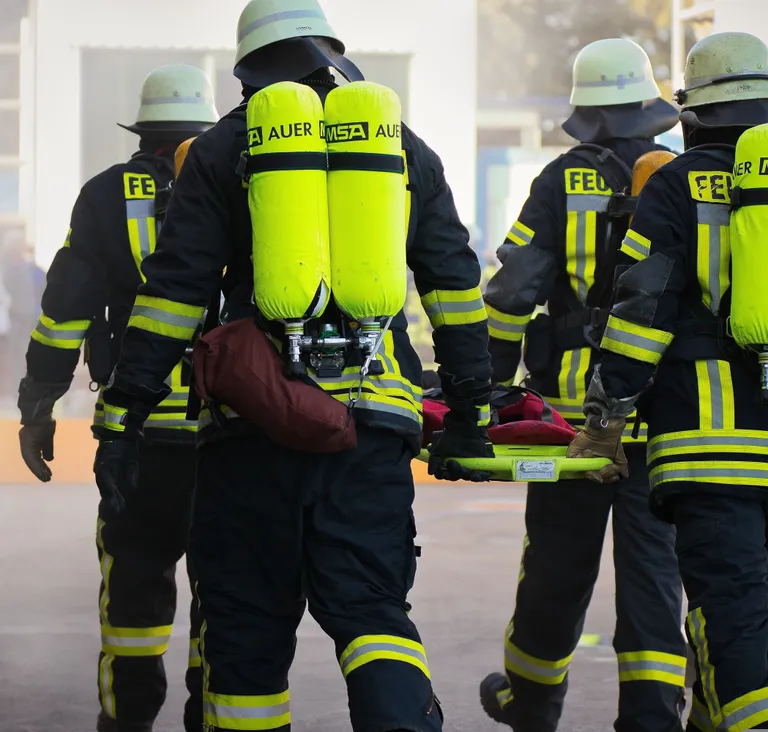
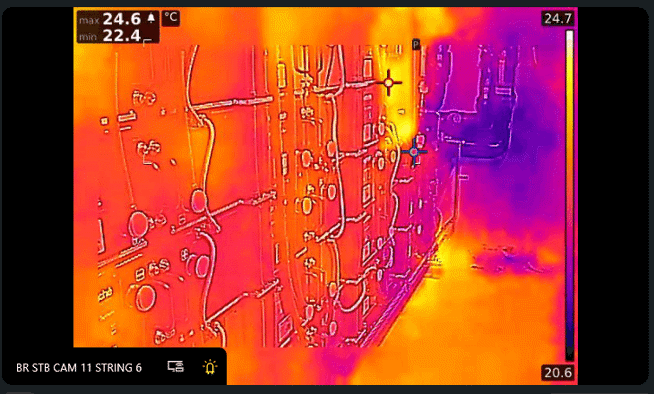
Shipboard fire prevention systems: thermography and intelligent monitoring
The actions taken before something happens are the only true lifeline:
- Regular maintenance of systems, engines and electrical equipment.
- Inspection of lithium batteries, charging systems and storage areas.
- Frequent testing of fire suppression systems and protocol updates.
- Crew training and realistic emergency drills.
- Independent inspections and pre-departure operational checklists.
Thermal runaway in lithium batteries: what is it, and can the fire be extinguished?
What is thermal runaway?
Thermal runaway is an uncontrolled process that occurs within lithium cells when a rise in temperature triggers an exothermic chain reaction: the heat generated accelerates further reactions, creating a self-sustaining cycle that can quickly spiral out of control.
During this reaction, cells may release toxic and flammable gasses, catch fire, partially explode and transmit thermal instability to adjacent cells, causing the damage to escalate.
Once triggered, thermal runaway is extremely difficult to contain using conventional methods as temperatures can exceed 1,000°C, while the continuous release of energy and combustible substances makes extinguishing the fire a complex operation, often impossible without specialised equipment.
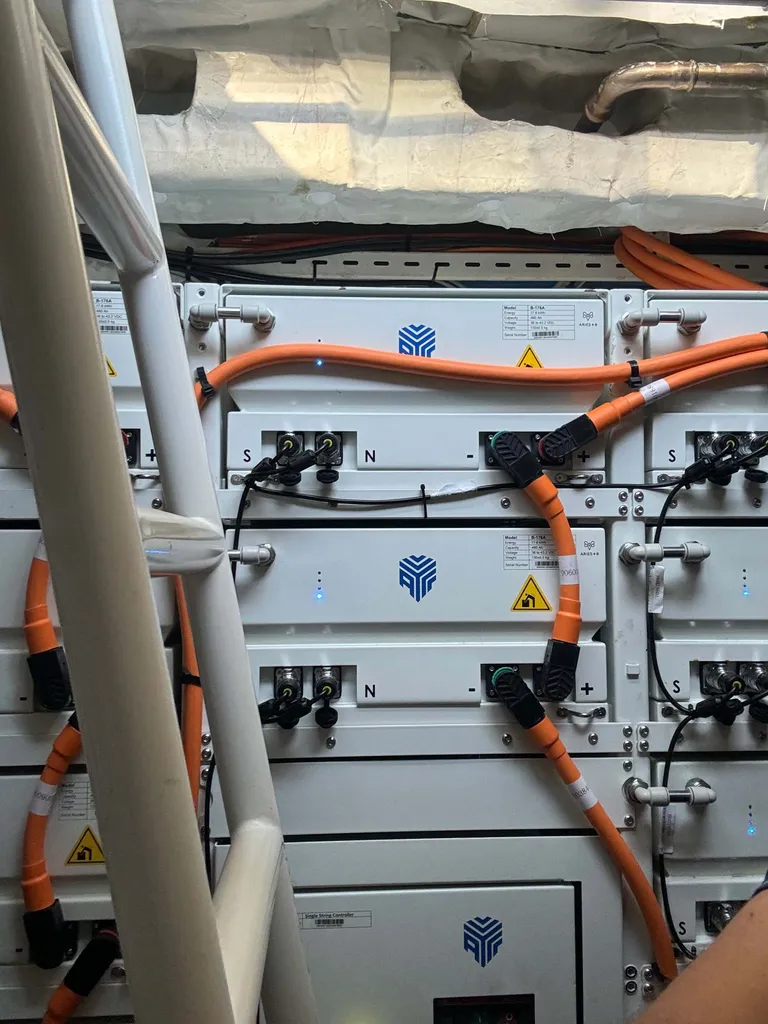
Lithium battery fires: is thermal runaway really impossible to extinguish?
“Impossible” does not mean “never manageable under any circumstances”. There are important nuances to consider:
- It should be clarified that intervention is not always entirely impossible: the ability to contain the fire depends on various factors, such as the type of cells involved, the stage of the event, the battery chemistry and the presence (or absence) of specific safety systems on board.
- In recent years, dedicated suppression systems and extinguishing agents have been developed specifically to tackle fires caused by lithium batteries. These include cooling materials, fireproof barriers, substances that inhibit internal chemical reactions, electronic management systems (BMS) and the use of marine thermal cameras capable of preventing thermal collapse.
- In certain situations, experts even advise against attempting to extinguish the fire immediately. When the internal reaction is already advanced, trying to put out the flames with conventional methods may be ineffective or even worsen the situation. In such cases, the safest strategy may be to contain the fire and allow the internal materials to burn out.
Prevention vs emergency: why investing before a maritime incident is important
When dealing with lithium batteries affected by thermal runaway, extinguishing the fire with conventional methods is extremely difficult. Specialised solutions may be required, including massive cooling, dedicated extinguishing agents or, in severe cases, attempt to minimise the damage while allowing the event to run its course.
A well-maintained system does not catch fire. A checked cable does not burn. A properly managed battery does not explode if the event is detected in time. A trained crew does not panic. The difference between a minor anomaly and a tragedy lies entirely in prevention.
Although prevention costs time and money no prevention costs everything.
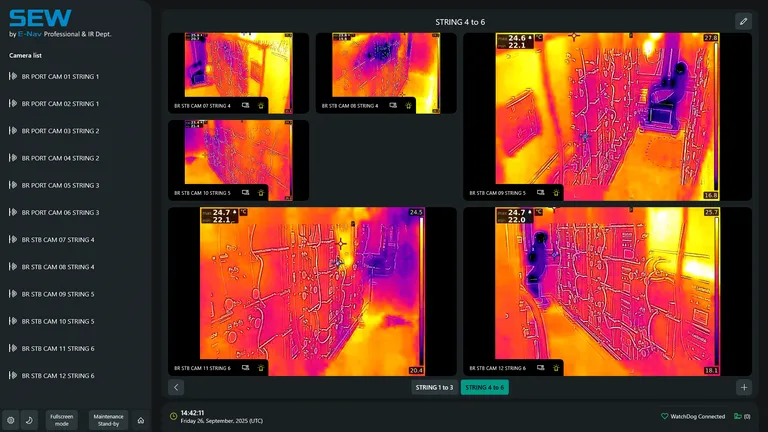
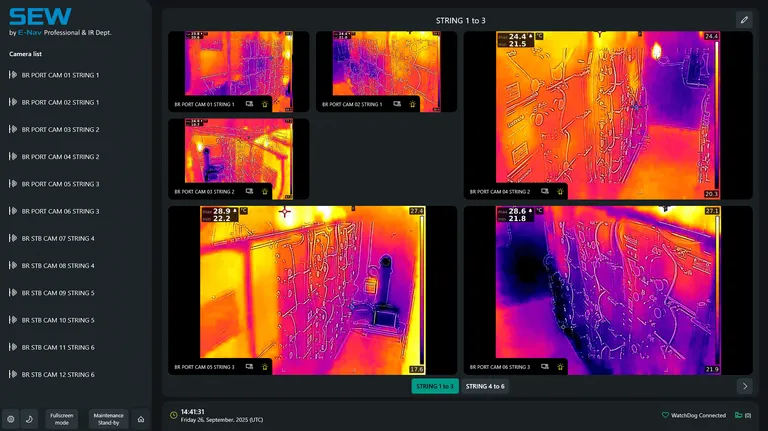
SEW system by E-Nav: intelligent fire prevention with advanced thermography
In the face of growing risks, technology finally offers a concrete response.
SEW (Safety Early Warning) by E-Nav represents the evolution of onboard fire prevention, combining artificial intelligence, advanced thermography and continuous monitoring.
The SEW system integrates high-sensitivity marine thermal cameras that detect even minimal temperature variations, just a few degrees, identifying:
- Abnormal overheating in engines and systems before it becomes dangerous
- Thermal runaway in lithium batteries during early stages, when intervention is still possible
- Leaks of hot fluids onto surfaces that could trigger fires
- Irregularities in electrical systems through continuous thermal monitoring.
Why wait to become a statistic when you can prevent it?
Unlike traditional systems that detect smoke or flames when it’s already too late, SEW anticipates the problem:
- Intelligent algorithms analyse thermal patterns and flag irregularities before an emergency occurs.
- Centralised dashboard with immediate alerts to crew and operations centres.
- Direct integration with onboard automation systems for automatic interventions.
- SEW is fully compatible with E-Nav, FLIR and other leading thermal camera brands.
Installing SEW means moving away from that alarming 0.07% annual risk towards a proactive protection that has already proven to drastically reduce onboard incidents. No longer “hoping it won’t happen”, but knowing it won’t.
The technology exists, it’s tested and available. Every day of delay is an unnecessary risk for crew, passengers and vessel. SEW by E-Nav is not just an investment in safety. It’s the guarantee that your voyage remains a pleasure, not an emergency.