In industrial settings, prevention is always better than extinguishing. In recent years, many companies have begun using thermography not only to monitor product quality, but also to prevent fires in the most critical areas of the facility. As the technology is becoming quite affordable, it is now within the reach of SMEs too.
Categories
Fire prevention in industrial settings
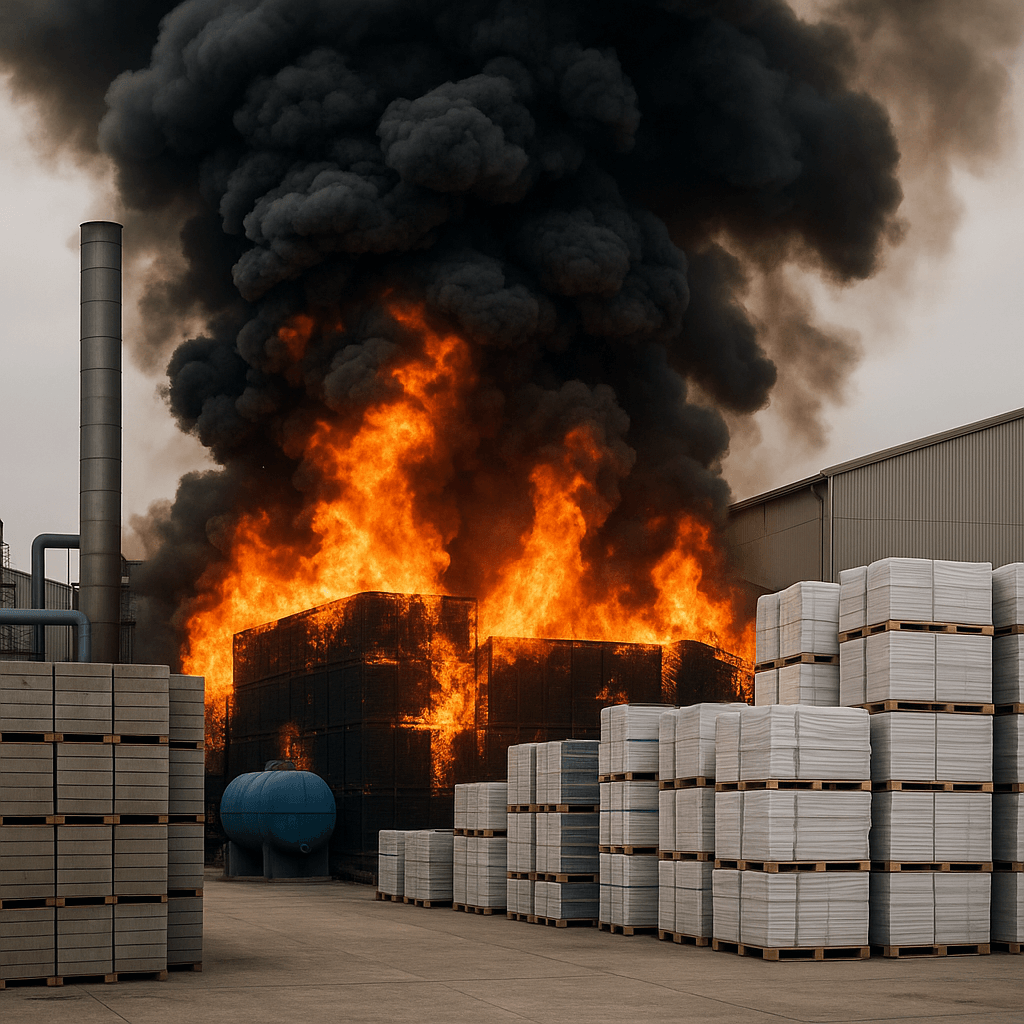
What is thermography and why does it help prevent fires in factories
What is thermography? Thermography is a technique that allows heat to be “seen”. By using special infrared cameras, abnormal overheating can be detected in real time. This is particularly useful in areas where flammable or combustible materials are present: a single spark is enough to turn a storage area into a genuine hazard.
Critical areas for fire prevention: storage areas, electrical systems and thermal risk zones
Every industry has its hotspots. But there are sectors where fire risks are significantly higher, and the use of thermography is becoming a safety standard.
- Waste collection centres: the presence of paper, plastic and other combustible materials, raw materials in catalysing places these locations at high risk.
- Battery processing facilities: especially those handling lithium batteries, which are prone to overheating and hazardous chemical reactions.
- Chemical warehouses: solvents, paints and compressed gases. Constant thermal monitoring is essential.
- Distilleries and alcohol storage: alcohol is highly flammable. An undetected hotspot can cause extensive damage.
- Textile mills and paper plants: synthetic fibres, fine dust and dry paper are all highly flammable.
- Outdoor waste storage areas: wood chips, plastics, rubber and metal dust – waste that, if allowed to accumulate, can ignite spontaneously.
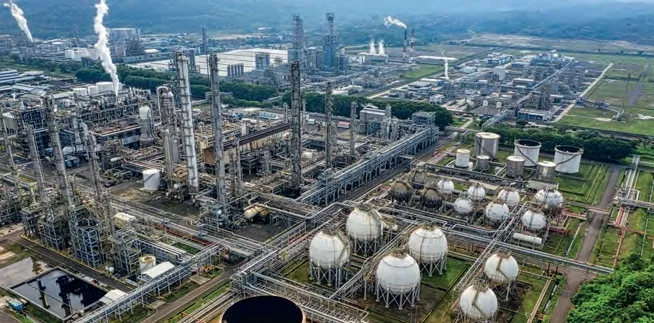
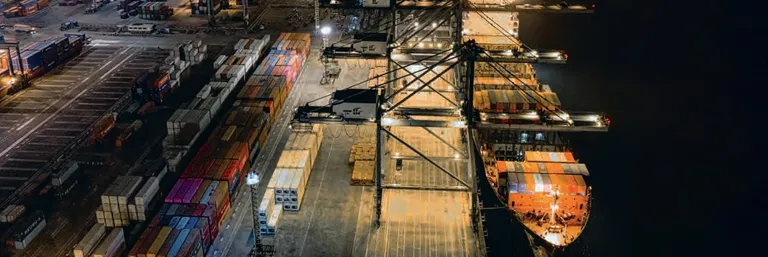
Industrial thermography costs: an affordable investment for SMEs too, which provides guaranteed benefits
Installing thermographic systems is not just a matter of safety. It’s also about efficiency. A thermal alert can prevent damage to the structures, stoppages to production and disastrous financial losses. In many cases, it can also help comply with current regulations on fire prevention and workplace safety.
Today, thanks to lower costs and the wider availability of reliable technologies, thermography is accessible to all industries, not just large corporations. In short: preventing costs less than extinguishing.
SEW by E-Nav Infrared Solutions: intelligent thermographic software for 24/7 industrial monitoring
For those seeking a complete and professional solution, SEW by E-Nav Infrared Solutions represents the next step in industrial thermography. This advanced application integrates artificial intelligence with thermographic vision to enable automated 24/7 monitoring of plants, infrastructure and critical areas.
SEW is specifically designed for industrial and marine environments: it automatically detects abnormal overheating, manages real-time alerts and integrates seamlessly with existing automation systems. Compatible with a number of thermal camera brands, it offers centralised dashboards and video analysis functions to identify early-stage hotspots and hazardous phenomena such as thermal runaway in lithium batteries.
The platform supports up to 16 thermal cameras simultaneously and includes advanced features such as automatic watchdog control, alarm logging and communication with external operations centres. A scalable, modular solution that shifts fire prevention from reactive to predictive, ensuring operational continuity and compliance with safety regulations.